
The Science Behind the Experience
What we create in the kitchen is not magic.
It is biology, psychology, and ancient human wisdom — working together.
Design for Impact, Built for Business.
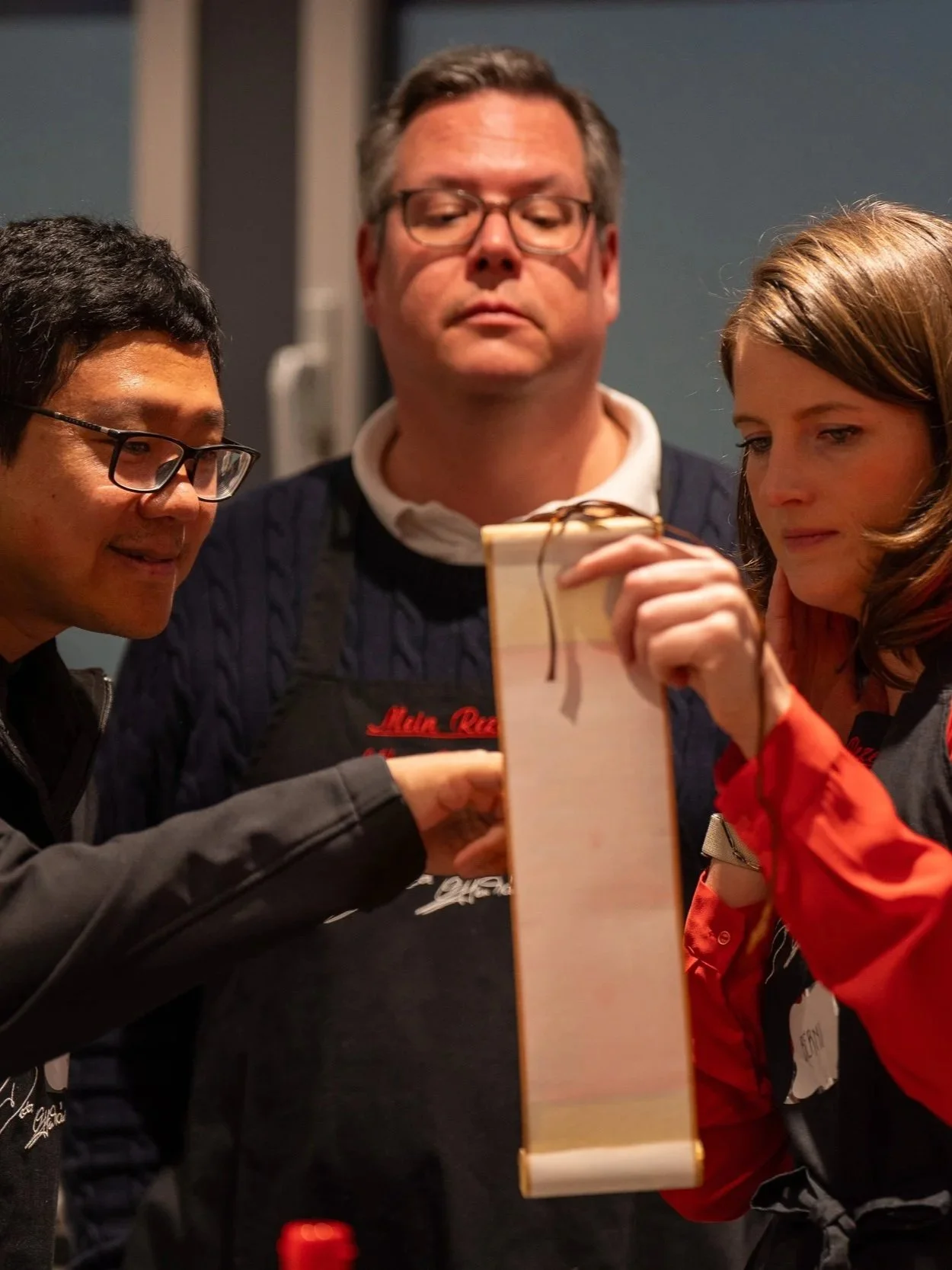
Your Brain on Togetherness
The Neuroscience of Shared Experience
When people engage in something new and hands-on together, the brain releases oxytocin — often called the trust hormone. It is the same chemical that bonds families, builds friendships, and creates the feeling of being genuinely seen by another person.
Research by neuroeconomist Paul Zakshows that higher oxytocin levels in teams directly correlate with greater trust, better communication, and stronger collaboration. Amy Edmondson of Harvard Business School adds another layer — teams that feel psychologically safe together consistently outperform those that don't.
Cooking together creates exactly this chemistry.
In our kitchen, trust is not built through a trust fall. It is built through fire, flavour, and showing up for each other.
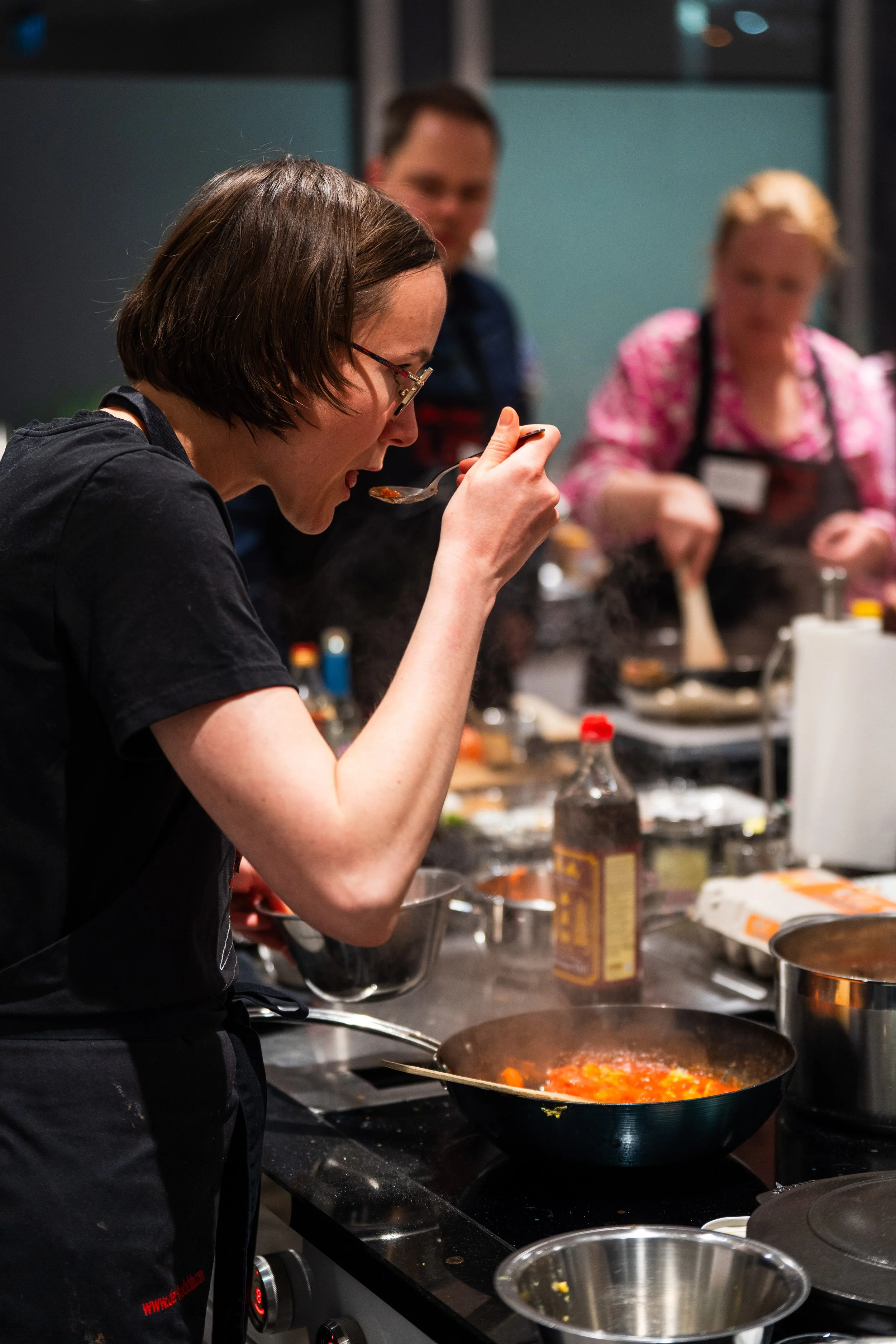
When the Whole Body Learns
The Psychology of Flow & Multi-Sensory Engagement
Most corporate training engages one sense — the mind. Our programs engage all of them.
Smell. Touch. Taste. Sound. Sight. When multiple senses are activated simultaneously, the brain encodes the experience far more deeply — making insights stick long after the aprons come off.
Mihaly Csikszentmihalyi's research on Flow — the state of complete immersion in a meaningful activity — shows that people perform at their highest when fully absorbed in something that is challenging but achievable. Chinese home cooking, with its rhythm, balance, and layered complexity, is a natural gateway into this state.
And something else happens too. When nobody in the room knows how to properly balance a wok, titles disappear. Hierarchy softens. The CEO and the analyst stand side by side, equally curious, equally learning. That moment of shared vulnerability is where real team bonds are forged.
We don't level the playing field. The kitchen does it for us.
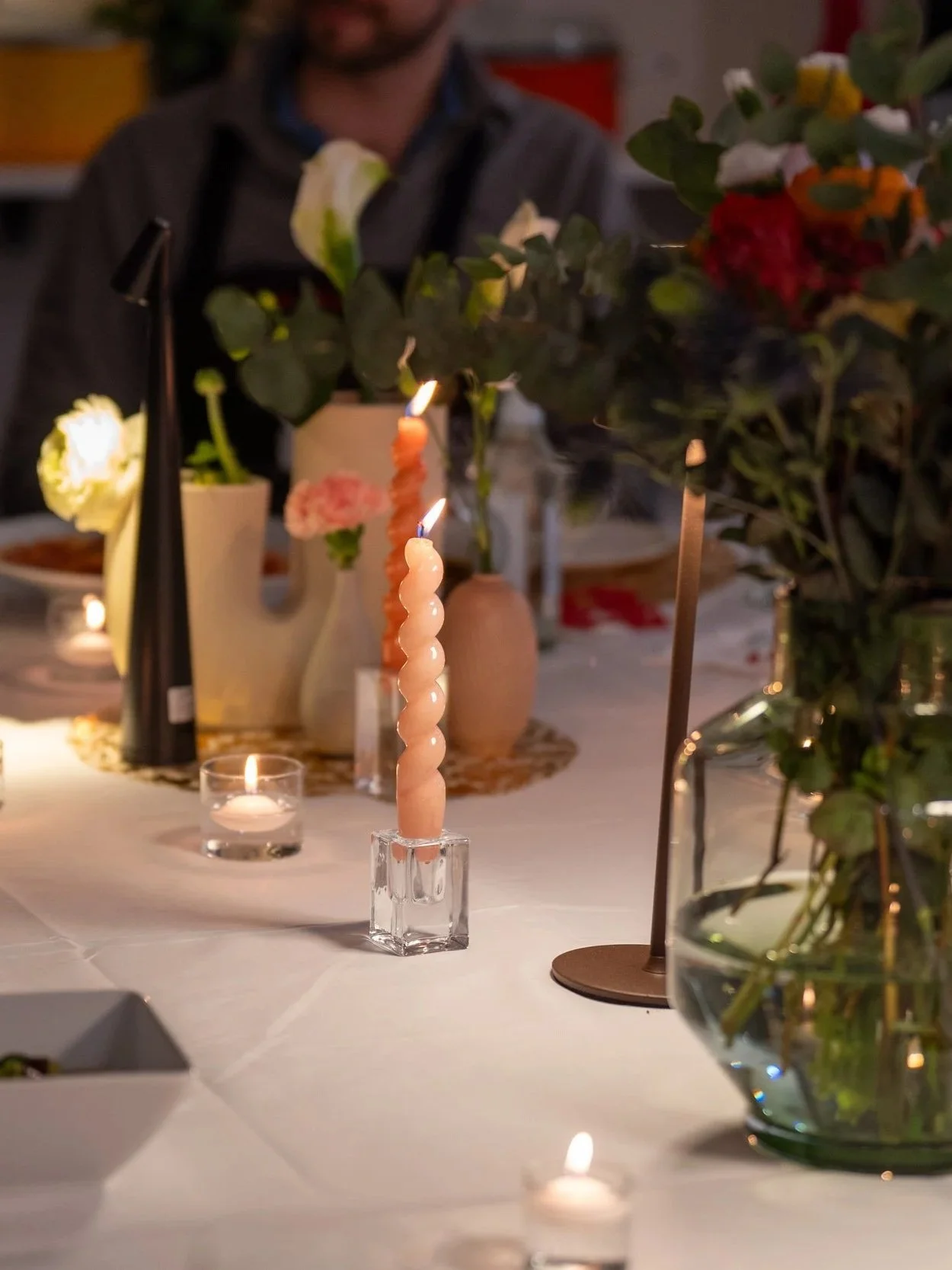
The Oldest Team Building in Human History
The Anthropology of Eating Together
Long before boardrooms and org charts, humans built trust around fire and food. Sharing a meal is one of our species' oldest and most powerful bonding rituals — and science confirms it still works.
Research by Professor Robin Dunbar at Oxford shows that people who share food together report stronger social bonds, greater feelings of belonging, and higher levels of cooperation. Studies from Cornell University's Food & Brand Lab found that teams who eat together perform measurably better and resolve conflict more effectively.
When your team cooks and eats together, they are tapping into something far older — and far more powerful — than any team building exercise invented in the last fifty years.
What This Means for Your Team?
The most resilient, high-performing teams are Not the ones with the best strategy decks.
They are the ones who trust each other, communicate openly, navigate uncertainty together, and show up — fully — for one another.
Our programs are
Not through theory, but through experience.